

Introduction
Photovoltaic (PV) systems have gained popularity as a sustainable and renewable energy source in recent years. These systems harness sunlight to generate electricity through the use of solar panels. As with any electrical system, proper wiring and cable management are crucial for the efficient and safe operation of PV systems. One important aspect of PV system design is the selection of appropriate cable shielding to protect against electromagnetic interference (EMI) and maintain system performance. In this article, we will explore the various PV cable shielding options available and discuss their advantages, disadvantages, and applications.
1. Importance of Cable Shielding in PV Systems
Cable shielding plays a critical role in PV systems by protecting the cables from external interference that could impair system performance or safety. EMI can result from various sources, such as nearby power lines, radio frequency interference (RFI), or other electrical equipment. Without proper shielding, cables in a PV system may act as antennas, picking up unwanted signals and leading to electrical noise or even system failure.
In addition to protecting against external interference, cable shielding also helps to contain electromagnetic fields generated by the current flowing through the cables. This is particularly important in PV systems where multiple cables are routed in close proximity, as electromagnetic fields can interfere with each other and degrade system performance.
2. Types of Cable Shielding
There are several types of cable shielding commonly used in PV systems, each offering different levels of protection and suitability for various applications. The most common types of cable shielding include:
2.1. Foil Shielding
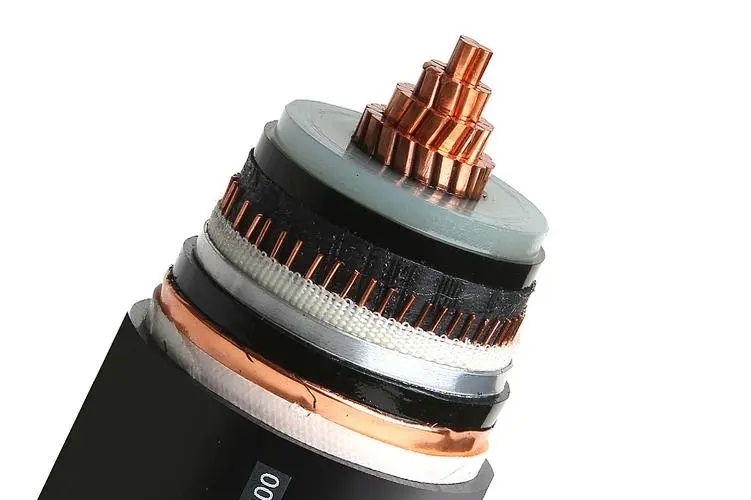
Foil shielding consists of a thin layer of metallic foil wrapped around the insulated conductor(s) of the cable. The foil acts as a barrier to electromagnetic interference by reflecting and absorbing external signals. Foil shielding is effective at blocking high-frequency interference, such as RFI, making it suitable for applications where EMI is a concern.
2.2. Braid Shielding
Braid shielding involves weaving together strands of metal (typically copper) around the insulated conductor(s) of the cable. The braided shield provides excellent flexibility and durability, making it suitable for applications where the cable may be subject to bending or flexing. Braid shielding is effective at blocking both high-frequency and low-frequency interference, offering comprehensive EMI protection.
2.3. Combination Shielding
Some cables may feature a combination of foil and braid shielding to provide dual-layer protection against EMI. This combination shielding offers enhanced performance by combining the strengths of both foil and braid shielding types. Combination shielding is commonly used in high-performance PV systems or applications where stringent EMI requirements must be met.
3. Considerations for Selecting Cable Shielding
When selecting cable shielding for a PV system, several factors should be taken into account to ensure optimal performance and reliability. Some key considerations include:
3.1. Shielded cable with enhanced durability surrounding environment of the PV system will influence the type of cable shielding required. For installations in urban areas with high levels of electromagnetic interference, a more robust shielding solution may be necessary to mitigate external EMI sources. Conversely, installations in remote or rural locations may require less stringent shielding requirements.
3.2. Cable Routing and Installation
The routing and installation of cables within the PV system will also impact the choice of shielding. Cables that are routed in close proximity to each other or to other electrical equipment may require more effective shielding to prevent electromagnetic interference. Additionally, consideration should be given to the flexibility and durability of the shielding material to accommodate the installation requirements of the system.
3.3. System Performance Requirements
The performance requirements of the PV system, such as efficiency, reliability, and safety, will dictate the level of shielding needed. High-performance systems with stringent EMI tolerance may necessitate advanced shielding solutions to maintain optimal operation. Conversely, smaller or less critical systems may be adequately served by standard shielding options.
4. Advantages and Disadvantages of Cable Shielding Options
Each type of cable shielding offers distinct advantages and disadvantages that should be weighed against the specific requirements of the PV system. Understanding the pros and cons of each shielding option is essential for selecting the most suitable solution for a given application. Some of the key advantages and disadvantages of foil, braid, and combination shielding are outlined below:
4.1. Foil Shielding
Advantages:
- Effective at blocking high-frequency electromagnetic interference
- Lightweight and flexible, making it easy to handle and install
- Provides good overall EMI protection for most applications
Disadvantages:
- Limited flexibility compared to braid shielding
- Susceptible to damage from bending or twisting
- May be more expensive than other shielding options
4.2. Braid Shielding
Advantages:
- Excellent flexibility and durability, ideal for dynamic applications
- Offers comprehensive protection against both high-frequency and low-frequency interference
- Resistant to mechanical stress and abrasion
Disadvantages:
- Heavier and bulkier than foil shielding
- May be more difficult to terminate and install compared to foil shielding
- Requires careful handling to prevent damage to the braid structure
4.3. Combination Shielding
Advantages:
- Provides dual-layer protection against a wide range of EMI sources
- Offers enhanced performance and reliability compared to single-layer shielding
- Suitable for high-performance PV systems with stringent EMI requirements
Disadvantages:
- More complex and costly than single-layer shielding options
- Requires careful design and installation to maximize effectiveness
- May be overkill for less demanding applications
5. Applications of Cable Shielding in PV Systems
The choice of cable shielding in a PV system should be tailored to the specific requirements and operating conditions of the installation. Different types of cable shielding may be more suitable for certain applications based on factors such as environmental conditions, system size, and performance expectations. Some common applications of cable shielding in PV systems include:
5.1. Residential PV Systems
Residential PV systems typically consist of smaller-scale installations on rooftops or in backyard settings. These systems may benefit from cost-effective foil shielding, which offers adequate protection against common sources of electromagnetic interference. Since residential systems tend to have lower power output and simpler configurations, foil shielding can provide a good balance of performance and affordability.
5.2. Commercial PV Systems
Commercial PV systems are larger in scale and may be subject to more stringent EMI requirements due to their proximity to other electrical equipment or high-power installations. Braid shielding is often preferred for commercial applications as it offers superior protection against a broader range of interference sources. The durability and flexibility of braid shielding make it well-suited for the dynamic environment of commercial PV systems.
5.3. Industrial PV Systems
Industrial PV systems are deployed in demanding environments such as factories, warehouses, or remote industrial sites. These systems may be exposed to high levels of electromagnetic interference from heavy machinery, power lines, or radio frequency devices. Combination shielding is commonly used in industrial PV systems to provide multi-layer protection against diverse EMI sources and ensure reliable operation in challenging conditions.
6. Conclusion
Cable shielding is a critical component of PV systems that helps to protect against electromagnetic interference and maintain system performance. By selecting the appropriate shielding option based on the specific requirements of the installation, PV system designers can ensure the reliability, efficiency, and safety of the system. Whether using foil, braid, or combination shielding, careful consideration of factors such as EMI environment, cable routing, and system performance requirements is essential for successful implementation. By understanding the advantages, disadvantages, and applications of different cable shielding options, designers can make informed decisions to optimize the performance of PV systems and maximize the benefits of solar energy generation.